
Low-carb snacks kids actually like
Lower-carb snack ideas for kids with T1D, portion-counting examples, choking precautions and why snacks are different from low-glucose treatment.

Tyler
· 2 min read
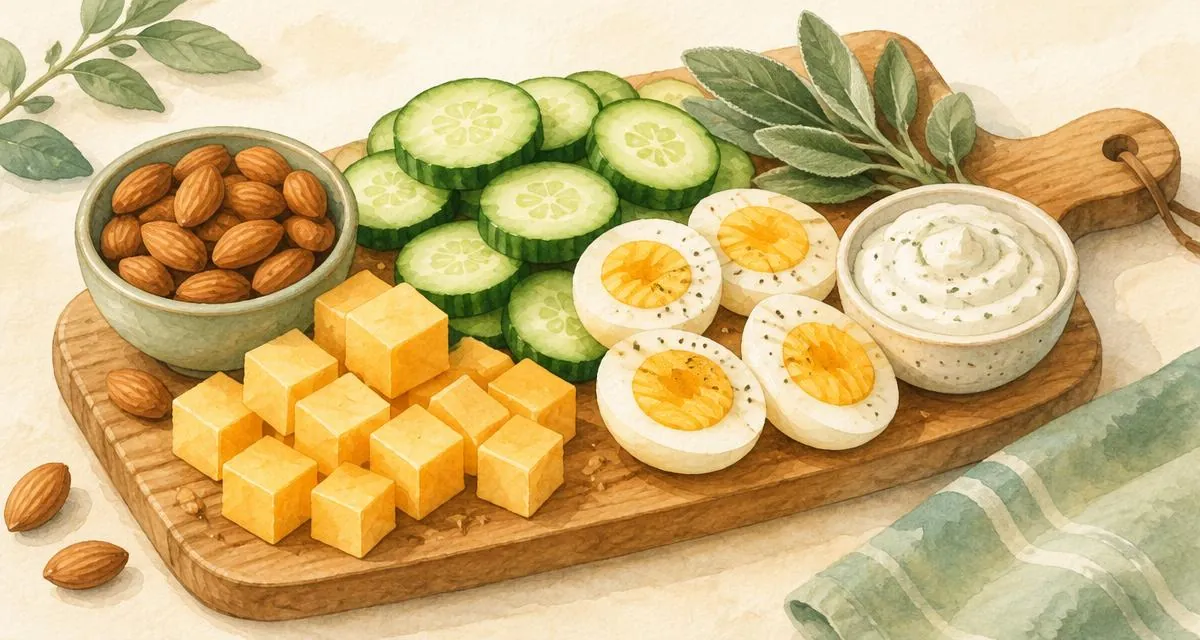
A lower-carbohydrate snack is one option when a child is hungry, not a substitute for balanced nutrition or a reason to avoid prescribed treatment. Children with type 1 diabetes need enough energy and varied foods for growth. The useful question is which snack fits this child's appetite, nutrition needs and current care plan.
Choose for hunger and nutrition first
Ask the pediatric diabetes dietitian how snacks fit the day. Fruit, milk, yogurt and whole grains can remain useful choices even though they contain carbohydrate. A lower-carbohydrate option may suit one occasion, while a more substantial snack suits another. Avoid describing foods as good or bad according to carbohydrate content.
Possible starting points include egg, tofu, cheese and appropriately prepared non-starchy vegetables. Counts depend on the food, portion and preparation. Breading, marinades, dips and sweetened varieties change the total. Consider allergies, texture needs and salt content as well as carbohydrate. These foods are not automatically unlimited or free of glucose effects.
Build a small menu your child enjoys
- Well-cooked egg in an age-appropriate texture.
- Soft tofu with familiar seasoning, checking packaged sauces.
- Safely prepared cucumber or cooked vegetables with a measured dip.
- Cheese in a developmentally appropriate form rather than large chunks.
- A thin spread of smooth nut butter when appropriate for age and allergies, with its carbohydrate counted.
If the snack leaves your child hungry, discuss adding other foods rather than repeatedly offering tiny portions to keep the number low. Lower carbohydrate is not a rule for every snack. Growth, appetite, activity and the child's preferences all belong in nutrition planning; a dietitian can help create choices the whole household can use.
Count the portion, not the marketing
Read Total Carbohydrate on the Nutrition Facts label. Sugar-free does not mean carbohydrate-free, and net carbs should not replace your team's counting method. Do not automatically subtract fiber or sugar alcohols. For a hypothetical dip with 6 g total carbohydrate per 40 g, a 20 g portion contributes 20 × 6 ÷ 40 = 3 g carbohydrate.
Add every component. If a hypothetical 50 g vegetable portion contributes 2 g carbohydrate, combining it with that dip gives 5 g altogether. These invented figures show arithmetic, not actual food values. Check your label or a suitable reference. Save the portion and brand alongside the estimate so another caregiver can reproduce it.
Keep low treatment separate
Cheese, eggs and other low-carbohydrate foods are not substitutes for prescribed fast-acting low treatment. Chocolate and fatty sweets may work too slowly for initial treatment. Follow the child's plan for product, amount and rechecking; young children may need different amounts from adults. Keep these treatment supplies clearly identified rather than mixed into ordinary snack choices.
Make safe eating part of the plan
For young children, whole or chopped nuts, spoonfuls of nut butter, hard raw vegetable pieces and large cheese chunks can be choking hazards. Adapt shape and texture to development, keep the child seated and supervise closely. Avoid eating while walking or riding in a moving car. Ask the pediatrician about safe preparation when uncertain. Practical snack planning includes safe eating, not only a carbohydrate total.
Sources
About Tyler
Founder of Carolyn, parent of a child with type 1 diabetes. He built Carolyn to ease the daily mental load of T1D for his family.
Remember every meal, together
Carolyn keeps your family's carbs, doses and outcomes in one shared place.
Join the Carolyn waitlist